Choose between AI imagery, photography and a combined production. Includes a decision tree, a sample brief and a practical quality checklist.

Use AI to explore staged ideas and visual worlds. When an image must document real people, products or places, begin with genuine source material and review alterations carefully.
The image looks like a campaign: soft light, convincing material, exactly the right colour. Then you notice a fastening that does not belong to the product. This is where AI imagery either supports a brand or starts to work against it. A polished appearance is only part of the assignment. The picture also needs to serve its purpose and create appropriate expectations.
First decide: illustrate an idea or document reality?
An abstract brand world, a proposed set or a deliberately fictional scene can be useful territory for generative tools. A team portrait, a location photograph or an image of a product for sale has a different job. People may use it to understand something real. That calls for trustworthy source material and a level of review appropriate to the claim.
Define the image’s purpose before choosing a tool. Should it establish atmosphere, open a conversation about a concept or show a specific characteristic? These tasks can produce superficially similar pictures while requiring different production decisions. The decision tree below helps you work through the distinction in a useful order.
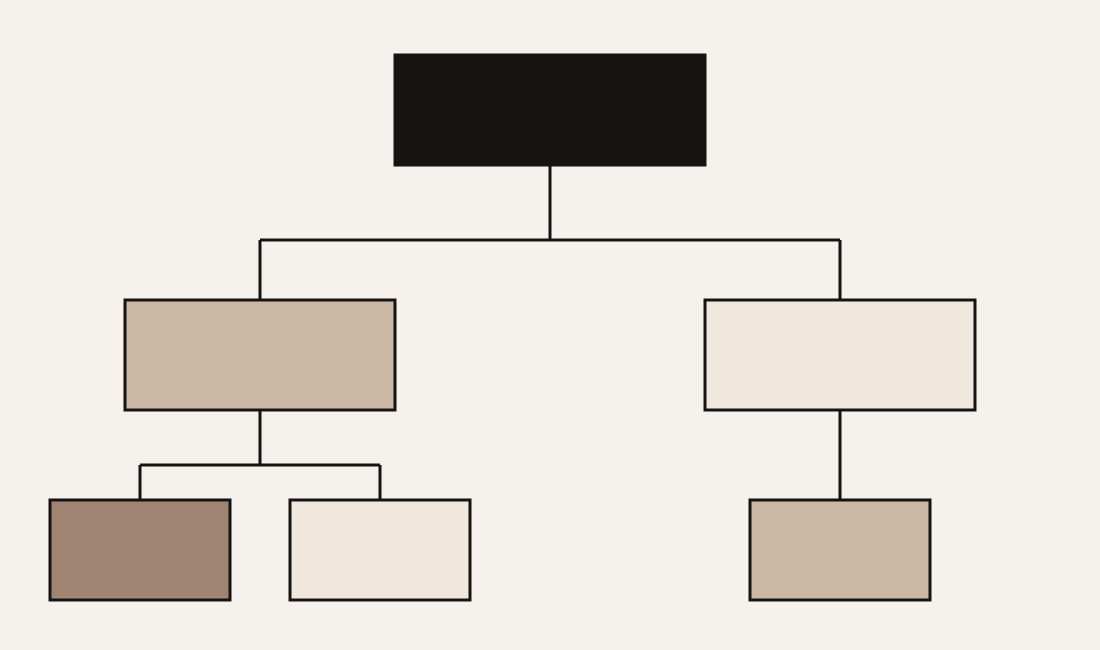
Choose your production route
Three routes: generate, photograph or combine
A fully generated scene may suit an explicitly staged idea that makes no claim about an actual product. Photography can document real people, techniques, spaces and materials. A combined approach might place an original product photograph into a constructed environment. Careful masking and retouching are then needed to preserve the object’s genuine characteristics.
Combining methods does not automatically make the result accurate. Reflections, shadows and scale can still change. Compare the finished image with the source, paying particular attention to the details that influence a purchase: shape, colour, connections, lettering and included features. A pleasing overall impression cannot substitute for that inspection.
A sample brief beyond a style keyword
Imagine a campaign study for a ceramic vase. For a purely atmospheric illustration, the brief could describe a sculptural vessel on a quiet surface, side daylight, warm shadows and space for a headline. If the image is intended to sell a particular vase, the actual product and its properties must remain the starting point. The same attractive scene does not fulfil both purposes by default.
- Purpose: concept discussion, brand atmosphere or specific product communication?
- Source: which photographs, dimensions, colours and views must be preserved?
- Direction: lighting, perspective, material world, framing and room for words.
- Output: formats, resolution and variations required for web or social use.
- Review: who checks product fidelity and consistency with the brand?
These decisions remain useful whichever model is chosen. They make variations easier to compare and help you recognise an appealing deviation as a deviation. A prompt contributes to production without replacing the brief, art direction or final image work.
Let the image surprise people. Keep the product properties dependable.
Quality control: from the overall idea to the smallest detail
Begin with meaning and composition. Does the world fit the brand? Is the focus clear? Does the important subject remain visible on a phone? Then inspect edges, shadows, perspective and materials. Examine visible lettering carefully. An invented word on packaging is still an error, however convincing the surrounding image may be.
Place the image in its intended context. A wide composition can work as a website hero but lose the product when cropped vertically. Add the real headline and test readability. Sometimes the right adjustment is a different layout or another image, rather than more attempts to force one picture into every format.
Check permissions, transparency and confidential material
Before use, review the provider’s current terms and the permissions attached to uploaded material. Confidential client assets need an approved handling process. Additional disclosures or permissions can depend on the subject, intended use and applicable rules. Sensitive uses deserve a separate assessment; this article does not provide legal advice.
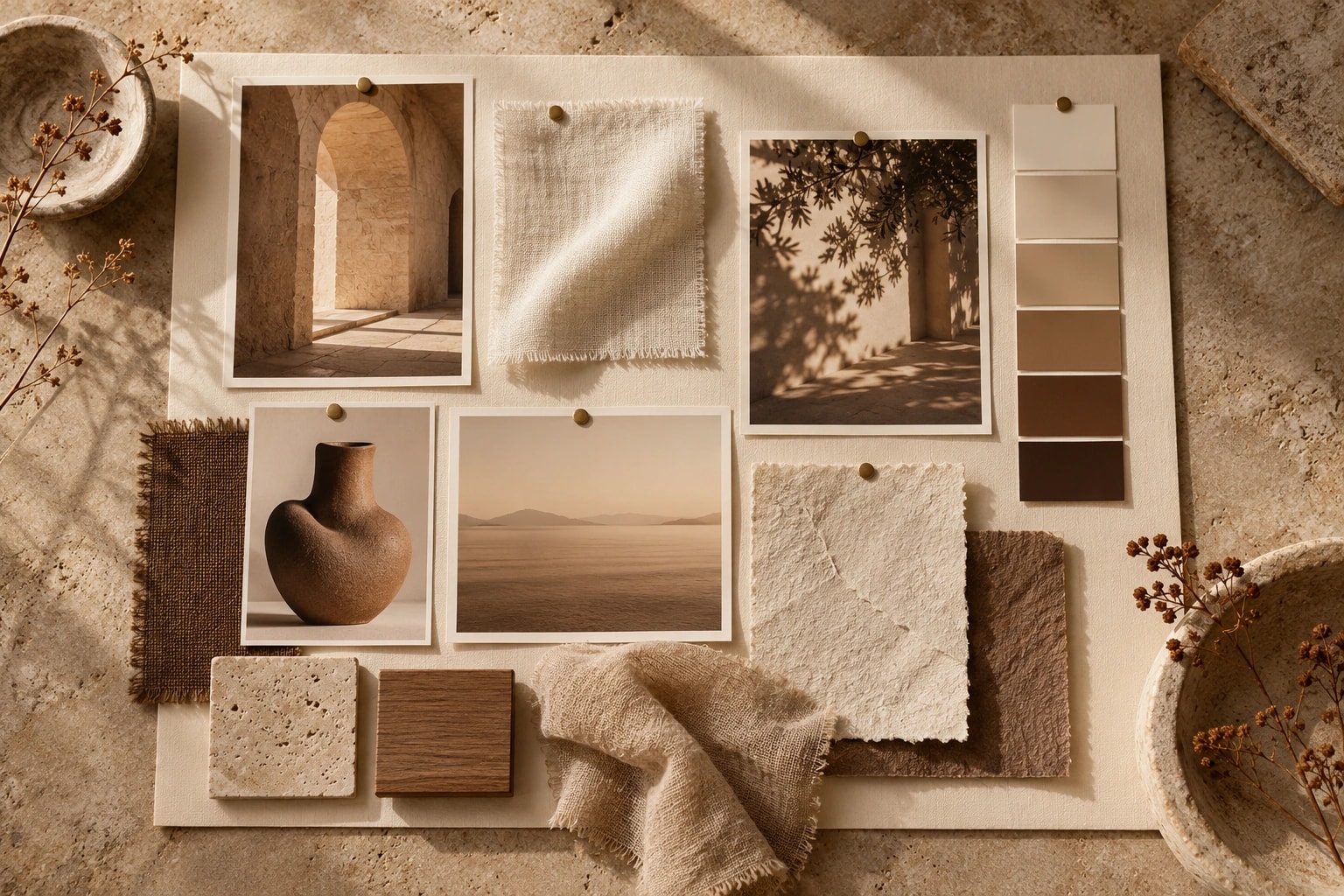
Our editorial imagery distinguishes illustration from documentary evidence. The journal covers are AI-generated illustrations, rather than photographs documenting a client production. That distinction helps readers understand what the image can reasonably demonstrate and what it cannot establish.

When is a trial worthwhile?
Start with a limited subject and explicit review criteria. Decide what the image must achieve and when you would change production routes. If repeated variations still distort a crucial product feature, photography may be the more practical next step. Generation, selection and retouching all require time, so the cheapest-looking starting point may not be the simplest complete process.
For a first conversation, bring the intended placement, available originals and the properties that must remain accurate. These give us a basis for choosing a production direction. The result should be a useful visual world shaped around your brand, rather than an impressive image still looking for an appropriate job.